Quick Summary: What You’ll Learn
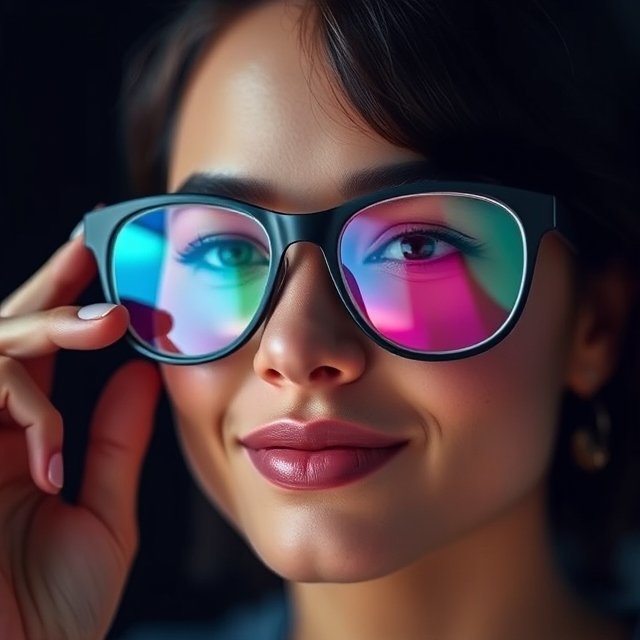
Eyewear isn’t just a vision aid anymore — it’s becoming a wearable health device. Trends in eyewear technology for improved vision and comfort now span smart lenses, adaptive tinting, AI-driven fit customization, and materials engineered to reduce fatigue during 10-hour screen days.
Key Takeaways:
- Smart glasses and AI-assisted lenses are moving from niche to mainstream in 2026
- Blue light filtering has evolved into full digital eye strain management systems
- Lightweight, flexible materials are solving decades-old comfort complaints
- Personalized, data-driven lens fitting is replacing generic prescriptions
- Comfort tech (nose pads, temple flex, weight distribution) is now engineered with the same rigor as the optics themselves
Let’s walk through exactly what’s changing and why it matters for anyone shopping for glasses this year.
Why Eyewear Technology Is Evolving So Fast Right Now
Screen time has quietly rewired how our eyes work. The average adult now spends the majority of their waking hours looking at digital displays, and optometrists are reporting a steady rise in complaints tied to digital eye strain, dry eyes, and accommodative fatigue.
That shift created real market pressure. Eyewear brands that used to compete purely on frame style are now competing on function — how well a pair of glasses protects, adapts, and performs across a full day of mixed lighting, screen work, and outdoor activity.
For anyone researching trends in eyewear technology for improved vision and comfort, the short version is this: the industry has moved from “corrective” to “adaptive.” Glasses are starting to respond to their environment instead of staying static all day.
The Core Trends Shaping Eyewear Technology in 2026
1. Smart Lenses and Embedded Sensors
Lenses embedded with micro-sensors can now track things like UV exposure, ambient light levels, and in some advanced models, basic biometric signals such as blink rate — a useful marker of eye strain.
Some premium frames pair these sensors with a companion app, giving wearers a simple report on how much time they spent in harsh light or how often they blinked during a work session.
2. Adaptive and Electrochromic Tinting
Traditional photochromic lenses darken in sunlight but react slowly and unevenly. Newer electrochromic lenses use a thin electrical layer to shift tint almost instantly, and some let the wearer manually adjust darkness through an app or a discreet frame button.
This matters most for people who move constantly between indoor and outdoor lighting — delivery drivers, sales reps, outdoor workers — where lag time on a traditional transition lens becomes a real daily annoyance.
3. AI-Powered Vision Correction
AI-assisted refraction is changing how prescriptions get built. Instead of relying purely on a manual phoropter test, some optical retailers now use AI models trained on thousands of prior prescriptions to refine the final lens recommendation, catching subtle astigmatism or asymmetry that manual testing sometimes misses.
4. Blue Light and Digital Eye Strain Management
Blue light filtering has matured well beyond a slight yellow tint. Modern coatings target specific wavelength bands more precisely, aiming to reduce strain without distorting color perception the way early blue light lenses often did.
5. Lightweight, Flexible Materials
Comfort complaints used to center on heavy frames pinching the nose or pressing behind the ears by midday. New materials are solving this directly:
- Memory titanium temples that flex and return to shape without warping
- Bio-based nylon frames that weigh a fraction of traditional acetate
- 3D-printed lattice structures that reduce material weight while keeping structural strength
6. Personalized, Data-Driven Fit
Facial scanning technology — often just a smartphone camera and an app — now maps pupillary distance, bridge width, and temple length with a precision that used to require an in-person optician visit. The result is a custom fit ordered online that actually fits correctly the first time.
7. Smart Glasses With Integrated Display or Audio
Beyond vision correction, a growing category blends prescription lenses with subtle heads-up displays or open-ear audio — turning glasses into a lightweight computing accessory rather than a separate device layered on top of vision correction.
Comparison Table: Key Eyewear Technology Trends at a Glance
| Trend | Primary Benefit | Best For | Adoption Stage |
|---|---|---|---|
| Smart sensor lenses | Tracks UV, light exposure, blink rate | Screen-heavy professionals | Early mainstream |
| Electrochromic tinting | Instant light adaptation | Frequent indoor/outdoor movement | Growing fast |
| AI-powered refraction | More precise prescriptions | Complex or borderline vision cases | Mainstream in retail chains |
| Advanced blue light coatings | Reduced digital eye strain | Remote workers, gamers | Widely available |
| Lightweight flexible materials | All-day comfort | Long wear, active lifestyles | Mainstream |
| AI facial scanning for fit | Custom, accurate fit online | Online eyewear shoppers | Growing fast |
| Smart display/audio glasses | Multi-function wearable | Tech-forward users | Early adoption |
How to Choose Eyewear Technology That Actually Fits Your Life
Step 1: Identify Your Primary Strain Point
Before chasing every new feature, figure out what’s actually bothering you:
- Screen fatigue by afternoon? Prioritize blue light and digital strain coatings.
- Constant light changes (driving, outdoor work)? Look at electrochromic or fast-transition lenses.
- Frames that pinch or slide by midday? Focus on material and fit technology first.
Step 2: Get a Precision Fit, Not a Generic One
Where available, use AI facial scanning or an in-person optician measurement rather than ordering off a standard size chart. A poor physical fit undermines even the best lens technology.
Step 3: Match Lens Tech to Your Actual Screen Habits
If most of your day is spent under artificial light and screens rather than sunlight, digital eye strain coatings will do more for daily comfort than adaptive outdoor tinting.
Step 4: Test Before Committing to Premium Features
Smart sensor lenses and embedded display glasses are exciting but expensive. Many retailers now offer trial periods — use them before paying a premium for features you may not use daily.
Step 5: Reassess Every 12–18 Months
Eyewear technology is moving quickly enough that a “good” pair from two years ago may already be outperformed by mid-range options today, particularly in coating and material categories.
Advanced Strategies & Common Pitfalls in Eyewear Technology
Mistakes People Commonly Make
- Buying smart features before fixing fit. No sensor or tint technology compensates for glasses that physically don’t sit right on your face.
- Assuming all blue light lenses are equal. Coating quality varies significantly, and cheaper options sometimes filter too broadly, dulling color accuracy.
- Ignoring lens weight in frame decisions. A stylish frame paired with a thick, heavy lens can undo the comfort benefit of lightweight materials.
- Skipping professional fitting for online orders. AI scanning tools are good, but not flawless — a follow-up check with an optician catches edge cases.
- Overbuying tech for occasional use. Electrochromic and smart sensor lenses cost more; they’re worth it for daily heavy use, less so for occasional wear.
Pro Tips for Better Results
- Ask specifically about coating wavelength targeting when shopping for blue light lenses — vague “blue light protection” claims vary widely in effectiveness.
- Prioritize temple flex technology if you wear glasses more than 10 hours a day; it’s one of the most underrated comfort upgrades available.
- Combine anti-reflective and blue light coatings rather than treating them as separate purchases — many labs now bundle both efficiently.
- Revisit your prescription accuracy using AI-assisted refraction if you’ve had recurring headaches with a “correct” prescription — subtle astigmatism is often the culprit.
Final Verdict: Are These Eyewear Trends Worth Investing In?
The trends in eyewear technology for improved vision and comfort reflect a genuine shift — glasses are finally being engineered around how people actually use their eyes today, not how they used them a decade ago. Smart lenses, adaptive tinting, and precision-fit technology aren’t gimmicks; they solve real, common complaints that generic eyewear has ignored for years.
Start with the basics: get an accurate fit and match lens technology to your actual daily strain points. Layer in smart features only where they solve a problem you genuinely have.
Ready to upgrade your eyewear? Book a fitting that includes AI-assisted refraction and ask specifically about digital eye strain coatings — that combination alone solves the majority of daily discomfort complaints.
Frequently Asked Questions
What is the biggest trend in eyewear technology right now?
Adaptive lens technology — particularly electrochromic tinting and AI-assisted refraction — is currently the fastest-growing category, driven by demand for glasses that adjust to changing light and screen conditions automatically.
Do blue light glasses actually reduce eye strain?
Quality blue light coatings can reduce some symptoms of digital eye strain, though results vary by coating precision; they work best alongside good screen habits like the 20-20-20 rule rather than as a standalone fix.
Are smart glasses with sensors worth the extra cost?
They’re most valuable for people with heavy daily screen exposure or outdoor work, where tracking light exposure and blink rate offers actionable insight. Occasional wearers may not see enough benefit to justify the premium.
How accurate is AI facial scanning for glasses fit?
It’s quite accurate for standard face shapes and has improved significantly, but people with less common facial proportions often still benefit from an in-person fitting check as a backup.
What eyewear material is best for all-day comfort?
Memory titanium and lightweight bio-based nylon frames currently lead for all-day wear, offering flexibility and reduced weight compared to traditional acetate frames.