Good sleep affects your mood, focus, and health, and the right gadgets for sleeping can make bedtime easier. This guide explains the main types of sleep gadgets, how they work, and how to choose ones that fit your needs and budget.
Do Sleep Gadgets Really Help?
Sleep gadgets can support better rest by improving your environment or helping you build a steady routine. They do not cure sleep disorders, and results vary from person to person.
If you struggle with sleep for weeks, snore loudly, or feel very tired during the day, speak with a doctor. Gadgets work best alongside good habits, not instead of medical advice.
Popular Gadgets for Sleeping
Sleep Masks
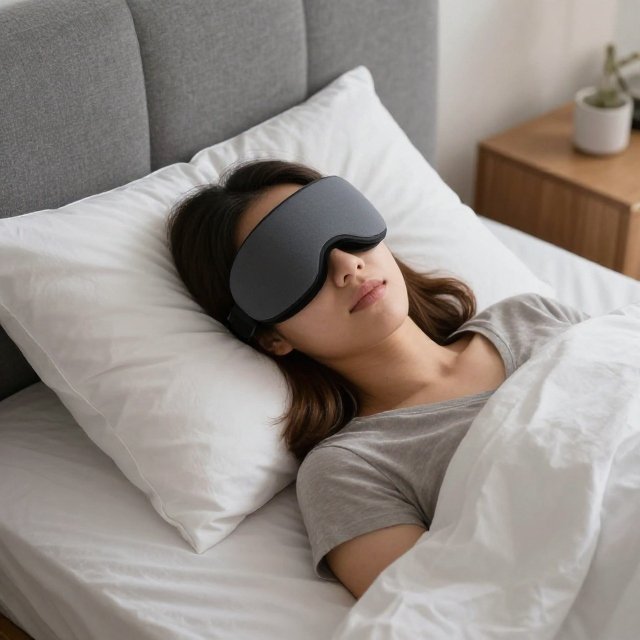
A comfortable eye mask blocks light, which can help in bright rooms or during daytime naps. Look for soft fabric, an adjustable strap, and a shape that does not press on your eyes.
Earplugs and Noise-Masking Devices
Noise is a common reason people wake up. Foam or silicone earplugs reduce sound, while white noise machines cover sudden sounds with a steady background hum. Fans and nature-sound apps work in a similar way.
Smart Alarm Clocks and Sunrise Lamps
A sunrise alarm clock brightens slowly to mimic dawn, which many people find gentler than a loud buzzer. Some models also offer a dim, warm light for winding down in the evening.
Sleep Trackers
Smartwatches, rings, and bedside trackers estimate how long you sleep and how restless you are. They are useful for spotting patterns, but their numbers are estimates and not a medical diagnosis.
Smart Mattress Toppers and Cooling Products
Temperature can affect comfort at night. Cooling pillows, breathable bedding, and temperature-controlled toppers may help people who sleep hot. They are often a bigger investment, so read the return policy first.
Pillows and Support Products
Ergonomic pillows, body pillows, and wedge pillows can improve comfort and alignment. The best choice depends on your sleeping position and any neck or back needs.
Weighted Blankets
Some people enjoy the gentle pressure of a weighted blanket. Choose a weight that suits your body and check the manufacturer’s guidance. They are not suitable for young children, so follow safety instructions.
Blue Light Glasses and Night Mode Tools
Bright screens in the evening can make it harder to wind down for some people. Night mode settings and a screen-free hour before bed are free and simple places to start.
How to Choose the Right Sleep Gadget
- Find your main problem. Is it light, noise, heat, discomfort, or an irregular schedule?
- Start with one product. Changing everything at once makes it hard to know what works.
- Check comfort and materials. You will use it every night, so it should feel good.
- Read reviews and return policies. Sleep products are personal, and a trial period is valuable.
- Set a budget. Helpful options exist at many price points, and expensive does not always mean better.
Free Habits That Support Your Gadgets
Gadgets work better with a healthy routine. The sleep tips from the CDC include keeping a regular schedule and a cool, quiet, dark bedroom. Simple habits to try:
- Go to bed and wake up at similar times each day
- Limit caffeine in the afternoon and evening
- Avoid heavy meals close to bedtime
- Keep screens away from the bed
- Use the bedroom mainly for sleep
Safety Tips
- Do not leave heated products on while you sleep unless the maker says it is safe
- Keep cords away from the bed
- Be careful with earplugs if you need to hear alarms or a baby
- Check with a doctor before using any device if you have a health condition
For more practical guides on gadgets and everyday technology, you can visit the tech reviews and guides at Techpks.
Conclusion
The best gadgets for sleeping are the ones that solve your specific problem, whether that is light, noise, heat, or an uneven routine. Start small, choose comfort over hype, and pair your gadgets with steady habits. If sleep problems continue, a healthcare professional can help you find the cause.
Last Article Click here: